What we find

What we see, and what it means.

The kind of thing each survey picks up, marked up the way it would be in a report. If one of these looks familiar, it is worth a call.

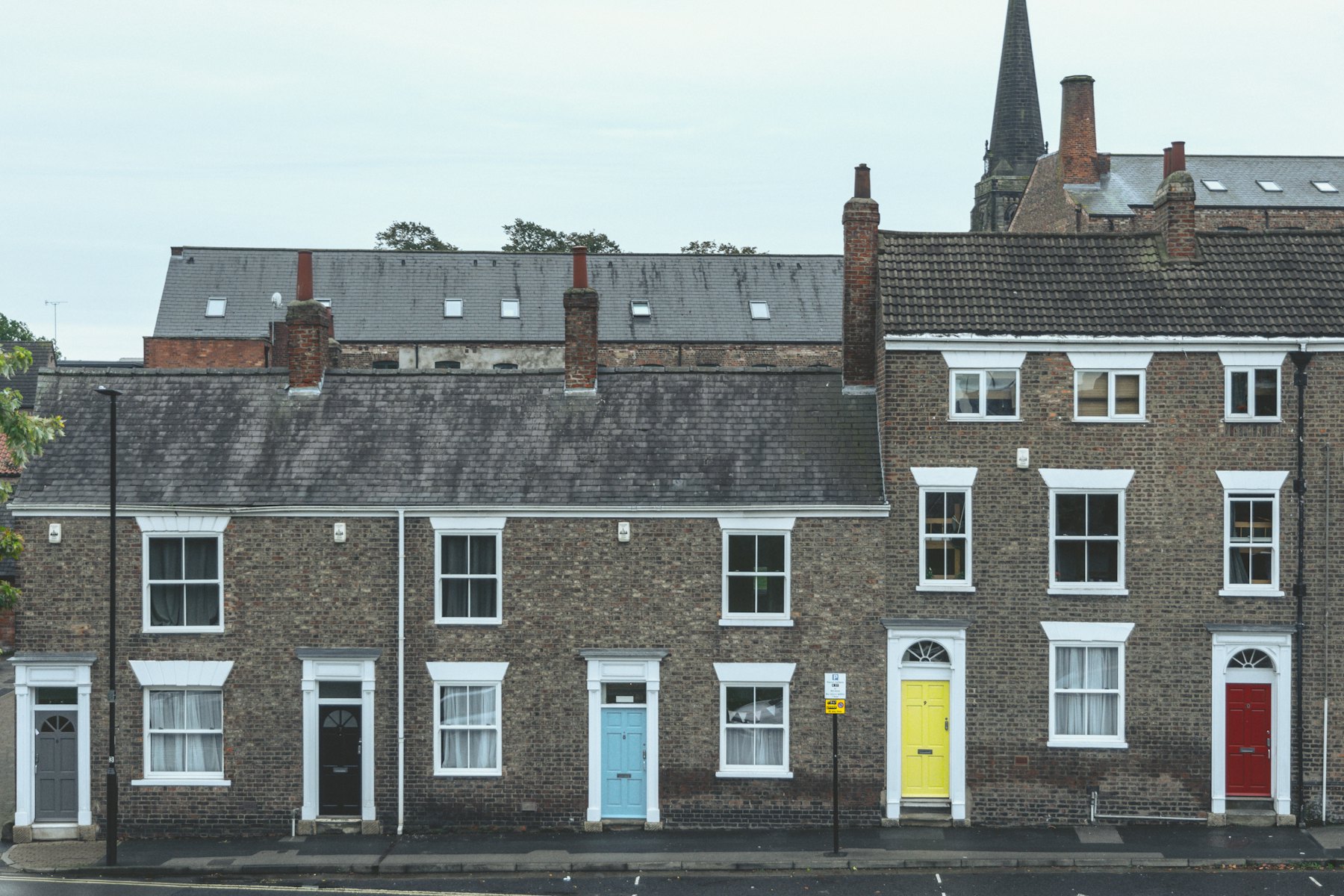
Party walls in a terrace
1
2

Party Wall Surveys

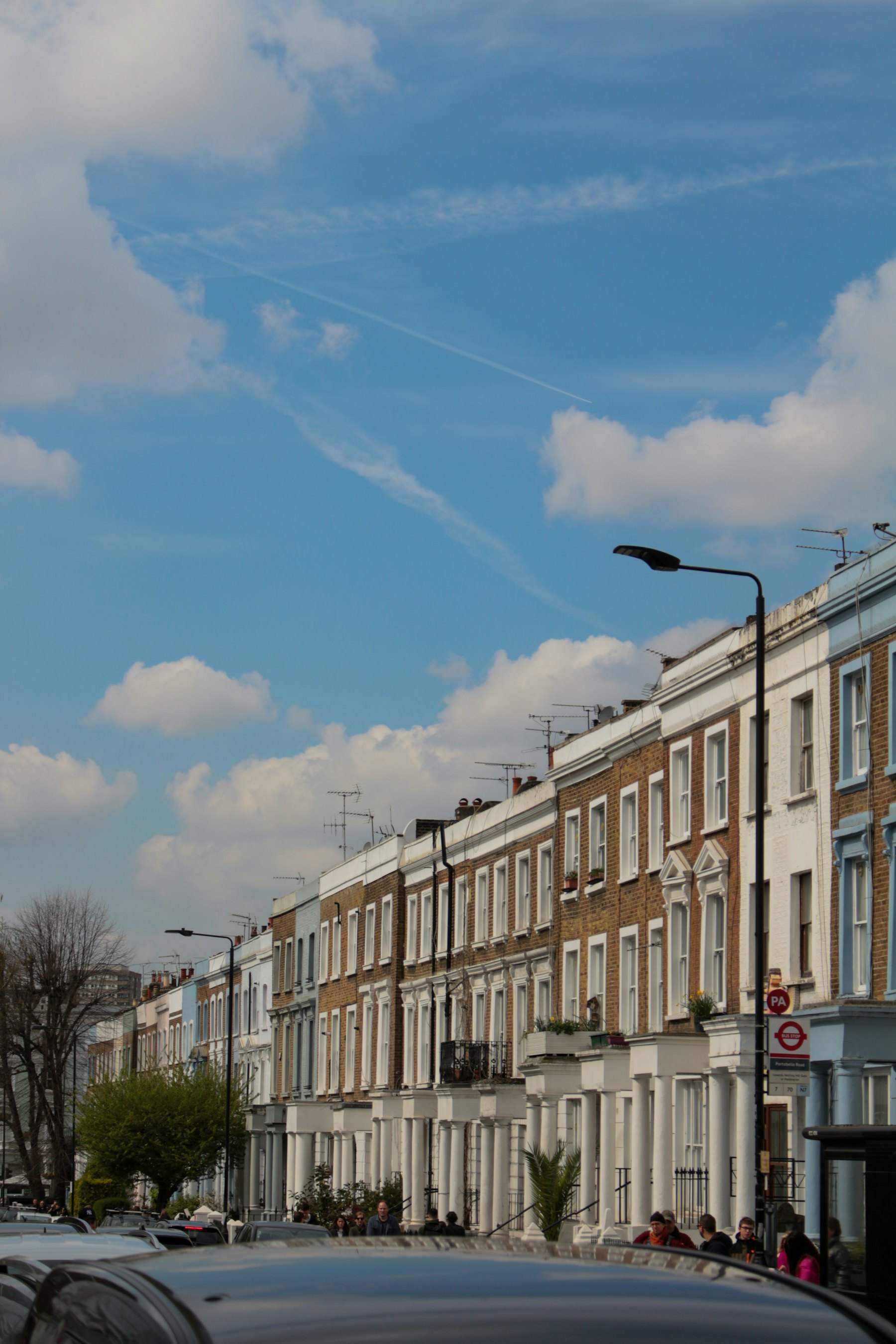
Party walls in a terrace

  1. 1Shared stack: notice before any work
  2. 2Roof line runs across both houses
What you see
A loft conversion, a chimney breast coming out or a new steel going into a shared wall.
What it means
Each line on the photo is a party wall. Cutting into one, raising it or taking out a shared chimney breast needs two months' notice under the Act.
What we suggest
Serve notice early, record the neighbour's side before work starts, and agree an award if they dissent.
Chimney stack and ridge
1
2
3

Drone Surveys

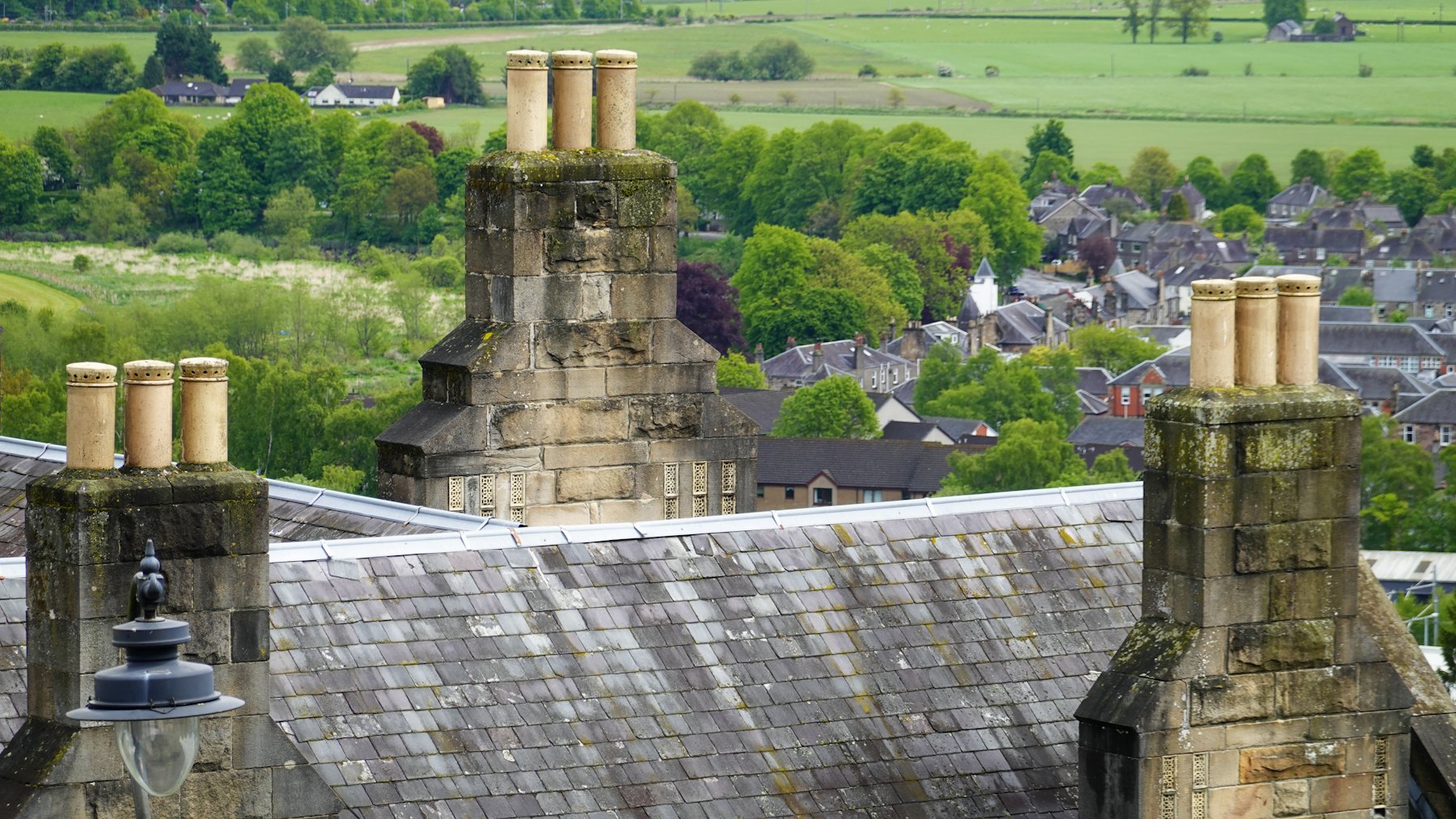
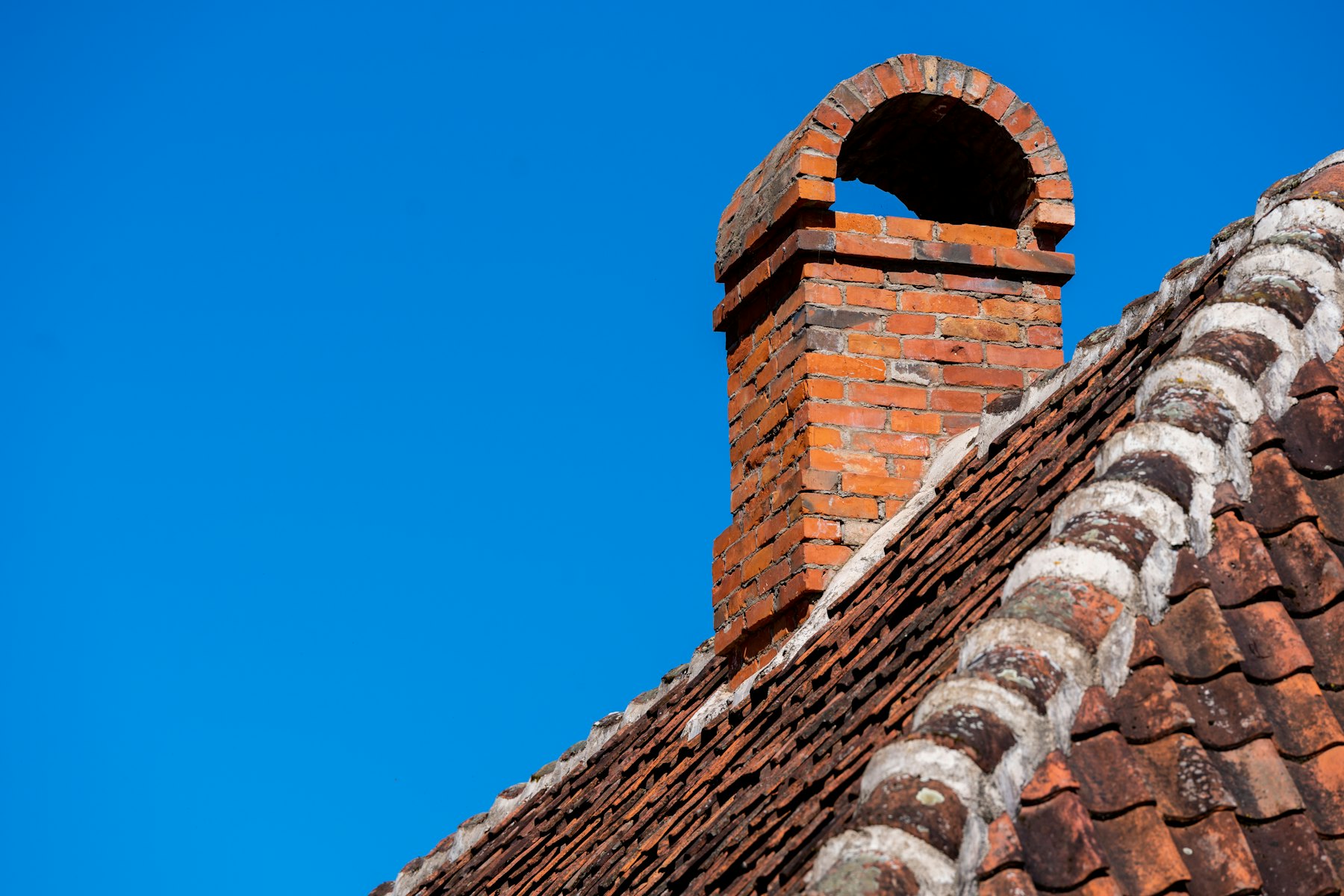
Chimney stack and ridge

  1. 1Open joints in the arched cap
  2. 2Check the flashing at the roof
  3. 3Cracked ridge bedding
What you see
Damp on a chimney breast inside, or bits of mortar in the gutter.
What it means
Stacks take the worst of the weather. Open joints and tired flashings let water track down into the house.
What we suggest
Repoint the stack, re-bed loose pots and ridge tiles, and renew the lead where it has lifted.
Clay tile roofs and a chimney
1
2
3
4

Drone Surveys

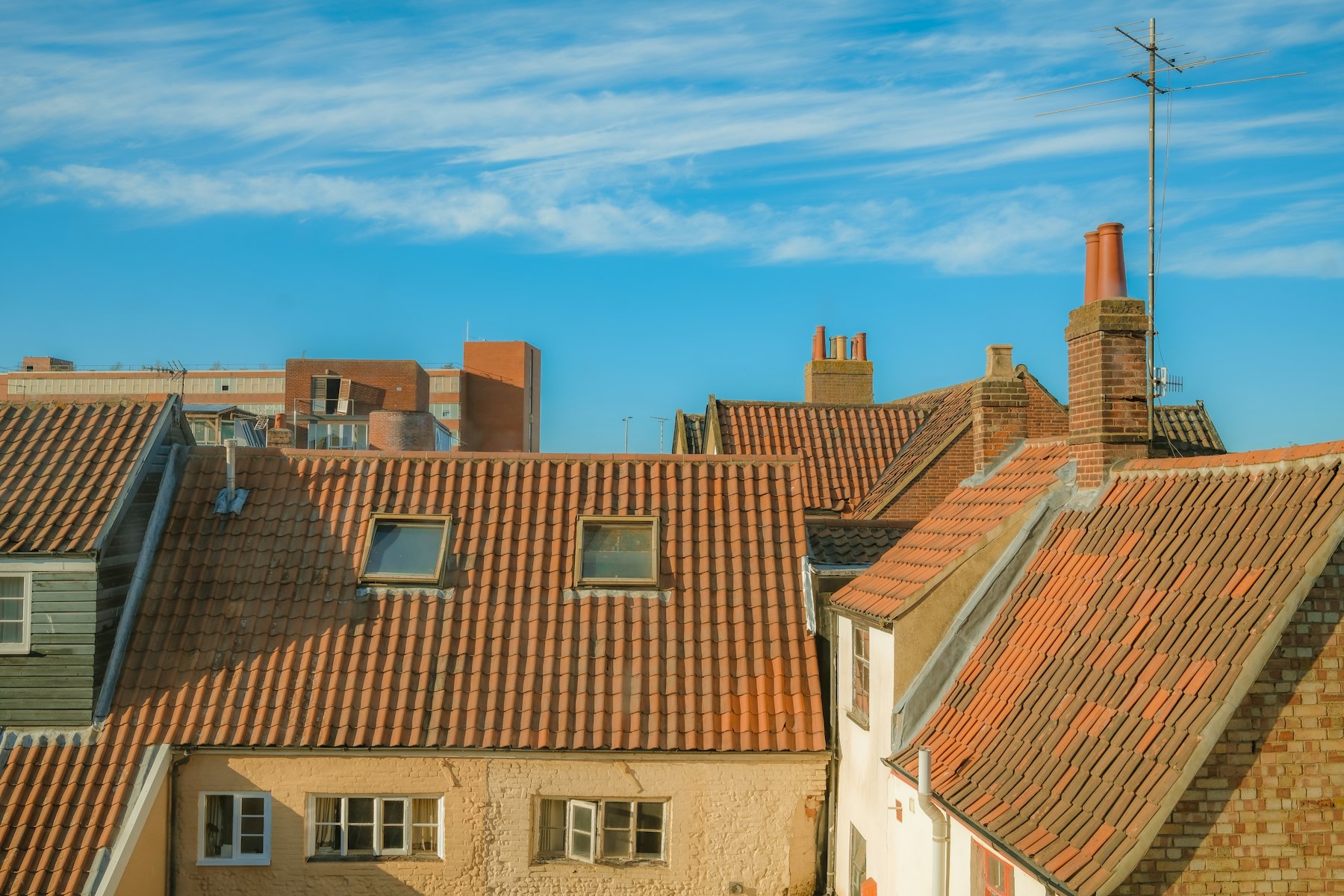
Clay tile roofs and a chimney

  1. 1Stack, pots and aerial fixings
  2. 2Valley between roofs
  3. 3Flashing at the wall
  4. 4Rooflight seals
What you see
A stain on a top floor ceiling and a roof you can only see from the garden.
What it means
Valleys, abutments and anything that passes through the roof are where leaks usually start.
What we suggest
Clear the valleys, check the flashings and rooflight seals, and repoint the stack where needed.
A fire door that will not hold
1
2
3
4
5

Fire Door Inspections

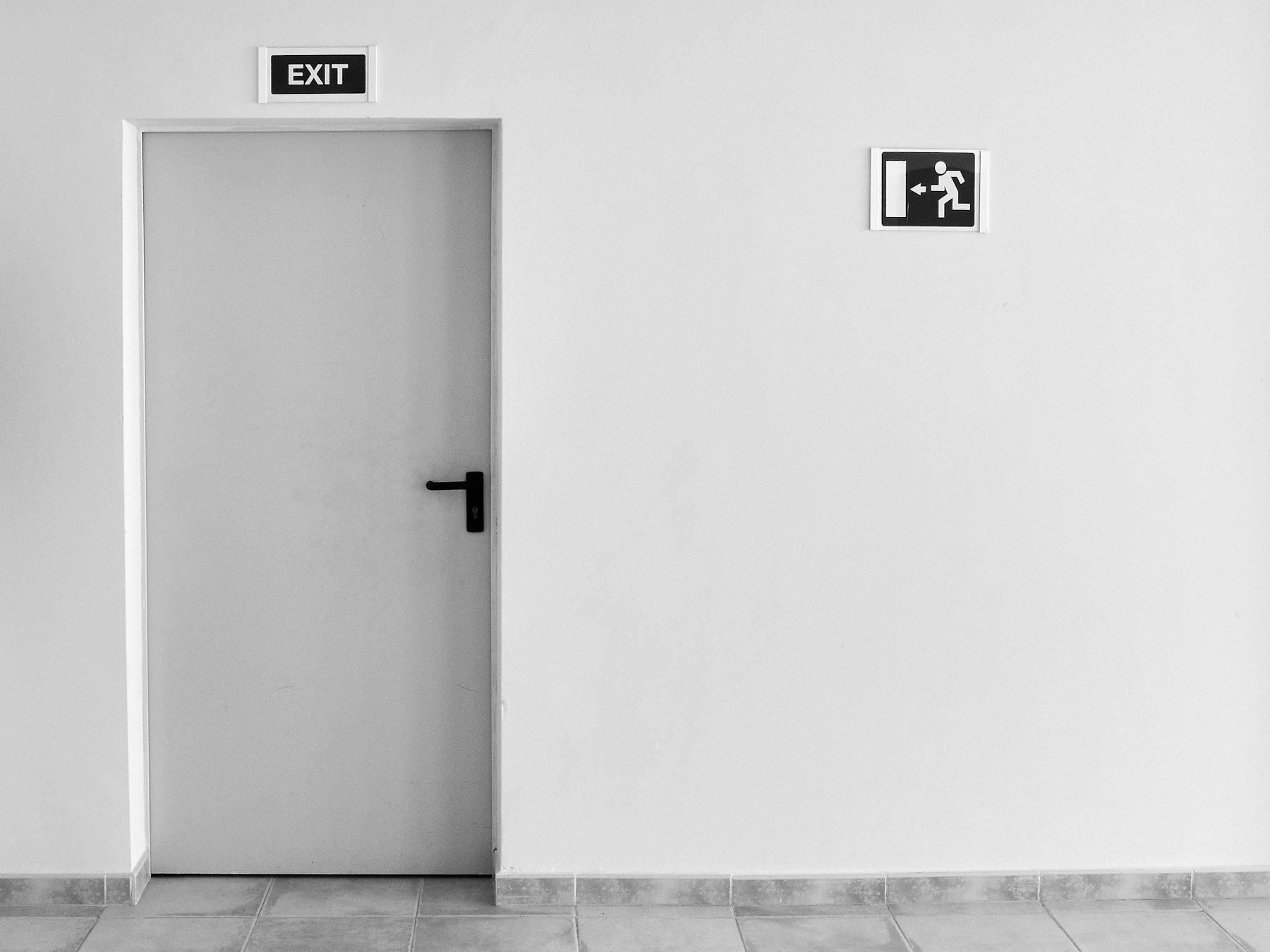
A fire door that will not hold

  1. 1Head gap over 4mm
  2. 2No self closer fitted
  3. 3No 'Fire door keep shut' sign
  4. 4Gap at the hinge edge
  5. 5Threshold gap, no smoke seal
What you see
A door that looks fine but swings open, has daylight round it or no signage.
What it means
Gaps let smoke through long before flames. Without a closer the door is only a fire door when someone remembers to shut it.
What we suggest
Fit or adjust a closer, add seals and signage, and recheck the gaps once the door has been rehung.
Communal corridor doors
1
2
3

Fire Door Inspections

Communal corridor doors

  1. 1Does the closer pull it shut?
  2. 2Gaps at head and edge
  3. 3Signage on every door
What you see
A long corridor of flat entrance doors, some propped open or swapped by residents.
What it means
Each flat door protects the escape route. A replaced or altered door may no longer be a fire door at all.
What we suggest
Check every door against the same list and keep a door by door record for the building.
Building work next door
1
2

Party Wall Surveys

Building work next door

  1. 1Parapets and stacks are shared
  2. 2Party walls between each house
What you see
Scaffolding going up next door and a notice through your letterbox.
What it means
As the neighbour you have rights under the Act, including having your property recorded before work starts, usually at their cost.
What we suggest
Reply within 14 days, appoint a surveyor if you are unsure, and keep a copy of the schedule of condition.
Render coming away from brick
1
2
3
4
5

Defect Surveys

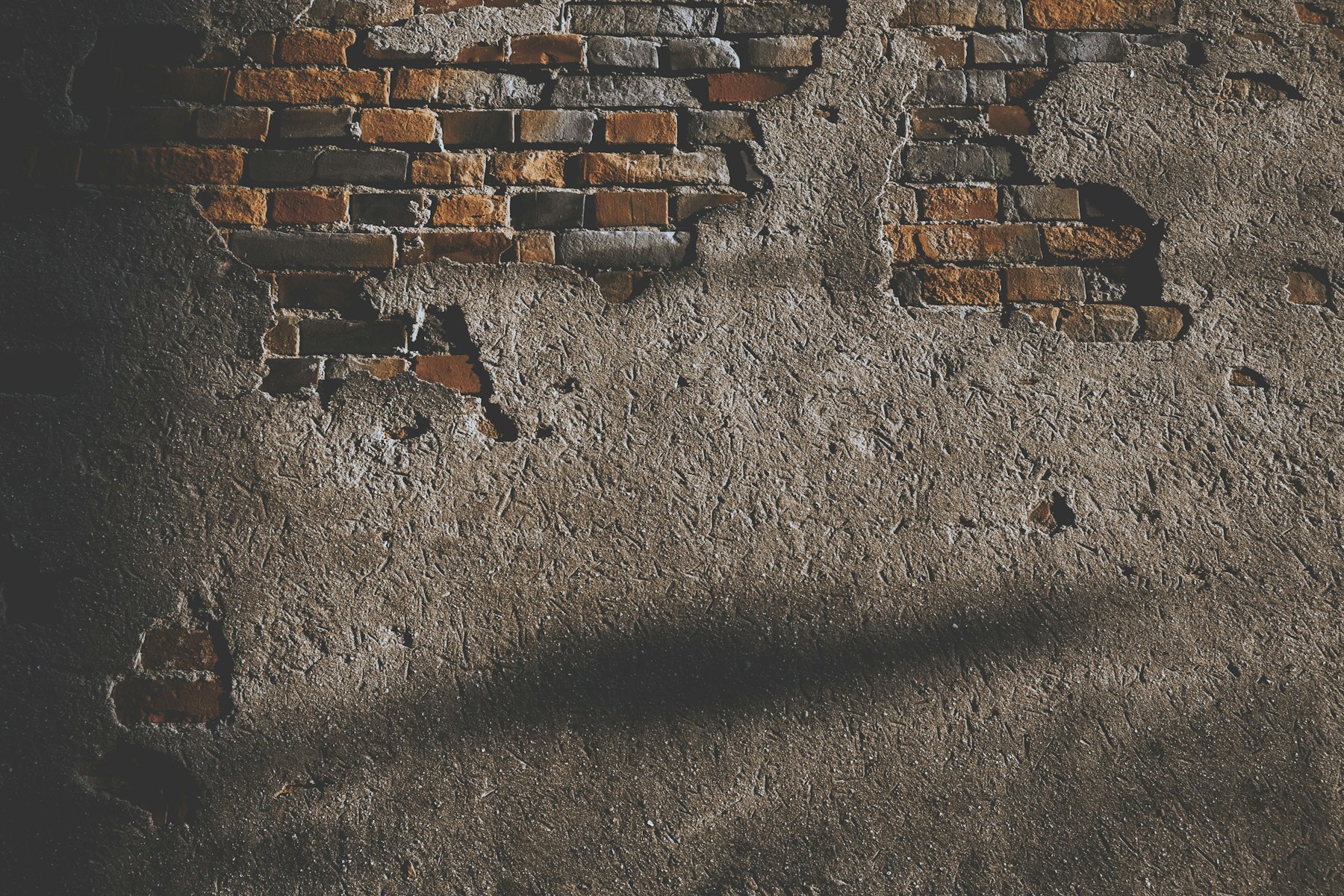
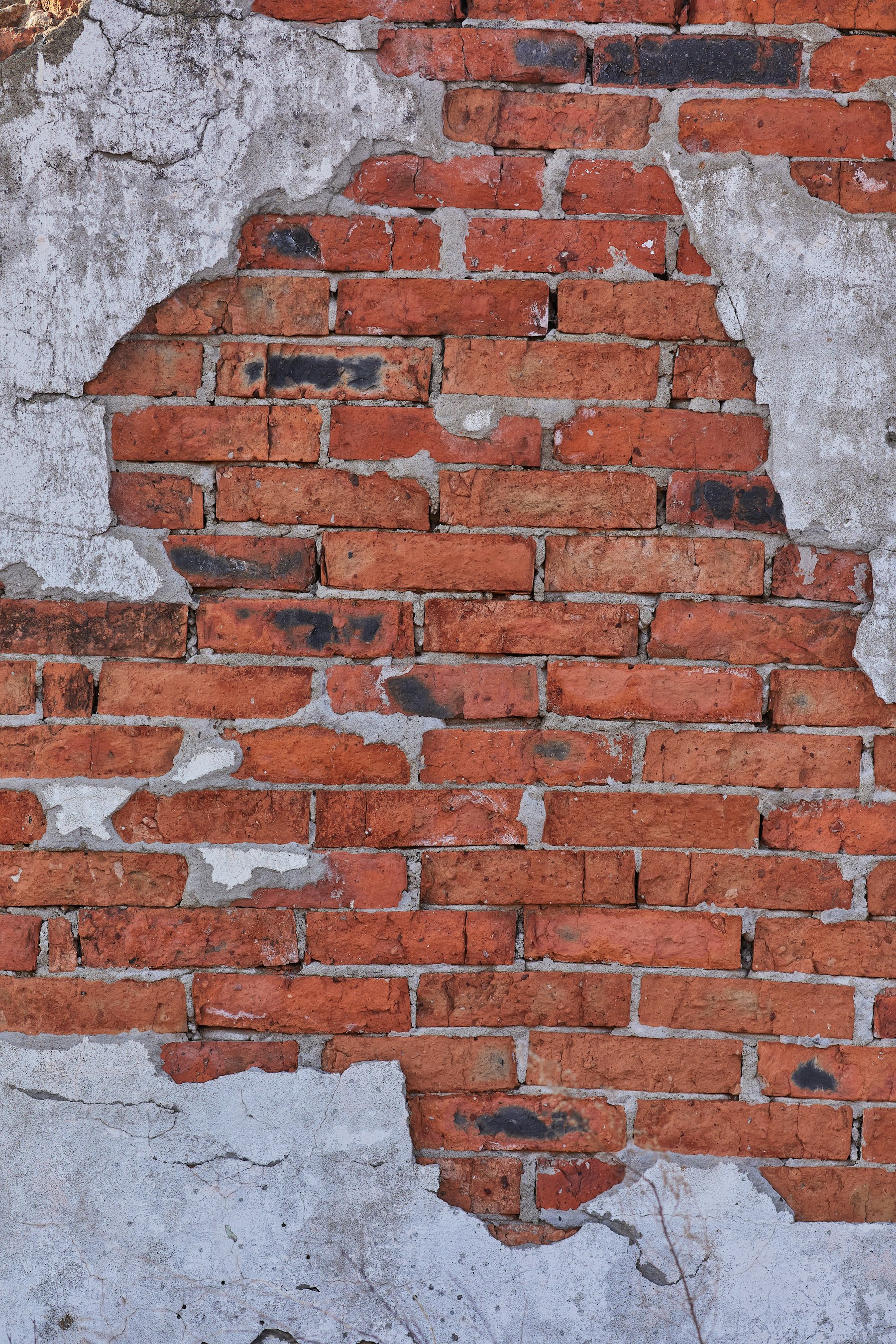
Render coming away from brick

  1. 1Render detached, sounds hollow
  2. 2Exposed brick faces
  3. 3Map cracking across the render
  4. 4Earlier patch repair
  5. 5Water getting in behind
What you see
Cracked render, hollow patches and pieces falling away from an older wall.
What it means
Hard cement render on old brick often traps moisture. Frost then pushes the render off and can take the brick faces with it.
What we suggest
Find where the water gets in, take off what is loose and, on older walls, re-render in a breathable lime mix.
Spalling brick faces
1
2
3

Defect Surveys

Spalling brick faces

  1. 1Brick faces lost
  2. 2Hard render failing
  3. 3Eroded joints
What you see
Brick faces flaking off, often after a hard winter.
What it means
Water gets into the brick and freezes. Hard cement pointing or render makes it worse because the wall cannot dry out.
What we suggest
Rake out and repoint in lime, replace the worst bricks and deal with the source of the wet.
Damp at the base of a wall
1
2
3

Defect Surveys

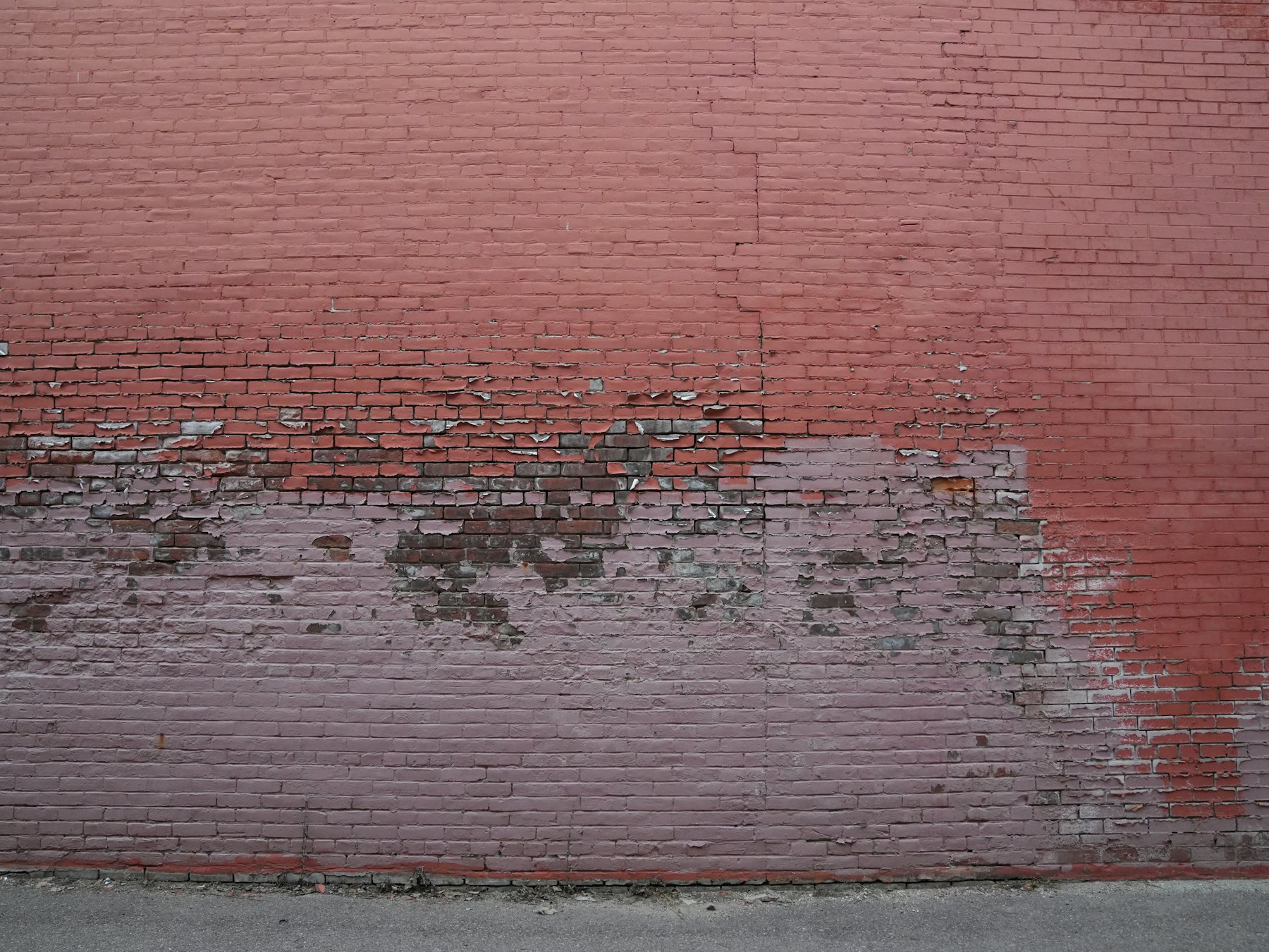
Damp at the base of a wall

  1. 1Salt line at one height
  2. 2Damp brickwork low down
  3. 3Paint touched in above
What you see
Peeling paint and a tide mark along the bottom of a wall.
What it means
Usually ground or paving built up too high, a bridged damp proof course, or splash from a leaking gutter. True rising damp is rarer than people are told.
What we suggest
Lower the ground, clear the damp course and fix the drainage before paying for any chemical treatment.
Black mould on walls
1
2

Defect Surveys

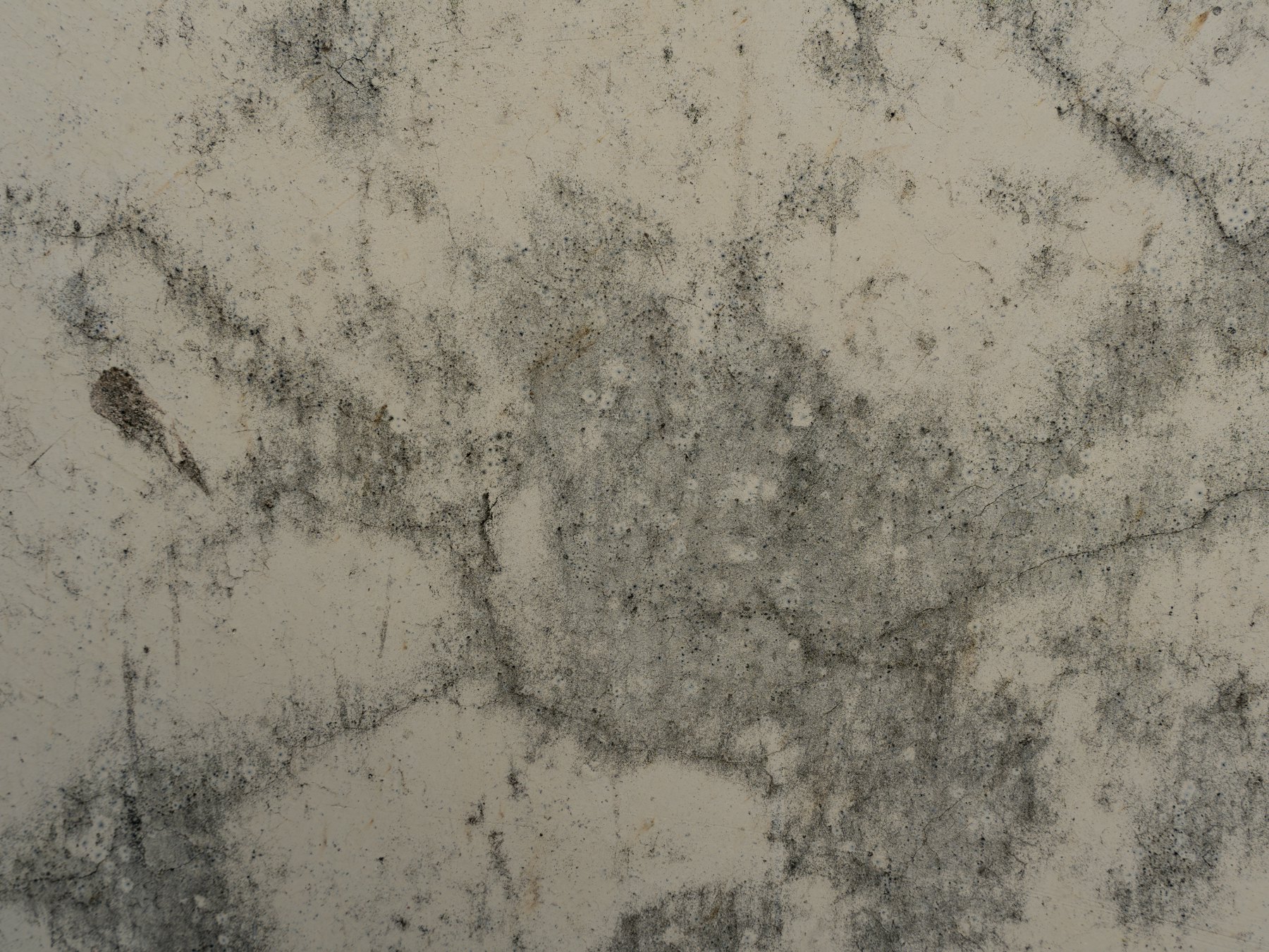
Black mould on walls

  1. 1Mould along the cold spots
  2. 2Spreading along joints
What you see
Black spotting in corners, behind furniture or around windows.
What it means
Almost always condensation: warm, moist air meeting a cold surface. It can also point to a cold bridge or missing insulation.
What we suggest
Improve ventilation and heating, find the cold spots and check the insulation, then clean and treat.

Examples marked up on stock photos to show what a report looks like. They are not records of specific jobs.

Seen something like this at your place?

Send us a photo
Book a survey

Tell us what you have noticed.

A few lines and a photo or two is plenty. Sean will come back to you to talk it through.

  • Phone and email

    Details to follow. Use the form for now.
  • Covering

    London, Essex, Kent and Norfolk

Your details are only used to reply to you. No sales calls, no passing them on.