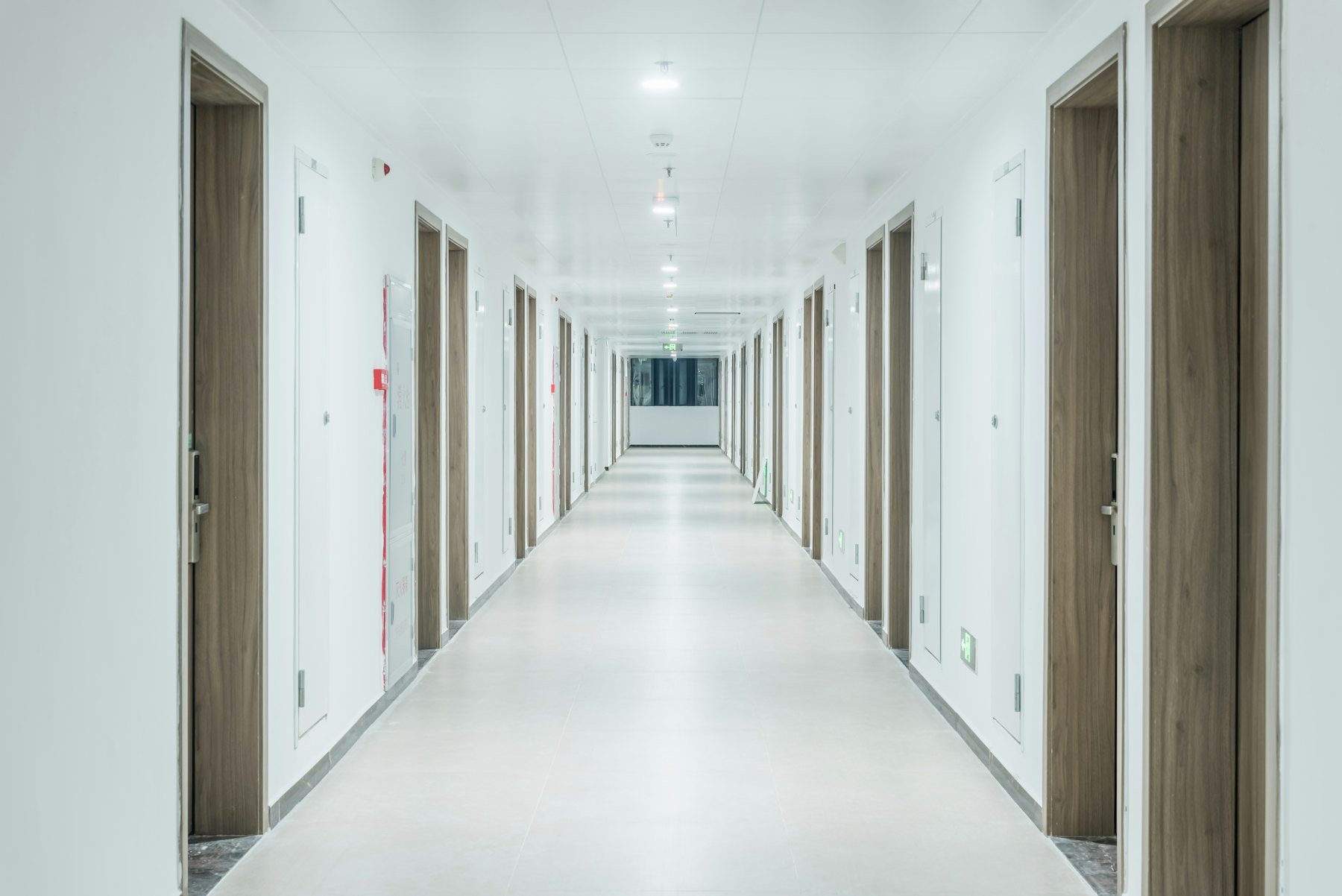
Fire Door Inspections
A fire door only works if it closes, seals and holds. We inspect fire doors in blocks of flats, HMOs and commercial buildings and give you a clear record of what passes, what needs fixing and how urgently.
How we approach fire door inspections.
Under the Fire Safety (England) Regulations 2022, the responsible person for a residential building over 11 metres tall must check communal fire doors every three months and flat entrance doors at least once a year, as far as they reasonably can. Fire doors in other buildings need checking as part of the fire risk assessment.
Every door is checked against the same list: the leaf, frame, gaps, intumescent seals, hinges, self closer, glazing, signage and any damage or alterations. You get a door by door schedule with a photo, a pass or fail and the work needed, ready to hand to a contractor or keep as your evidence.
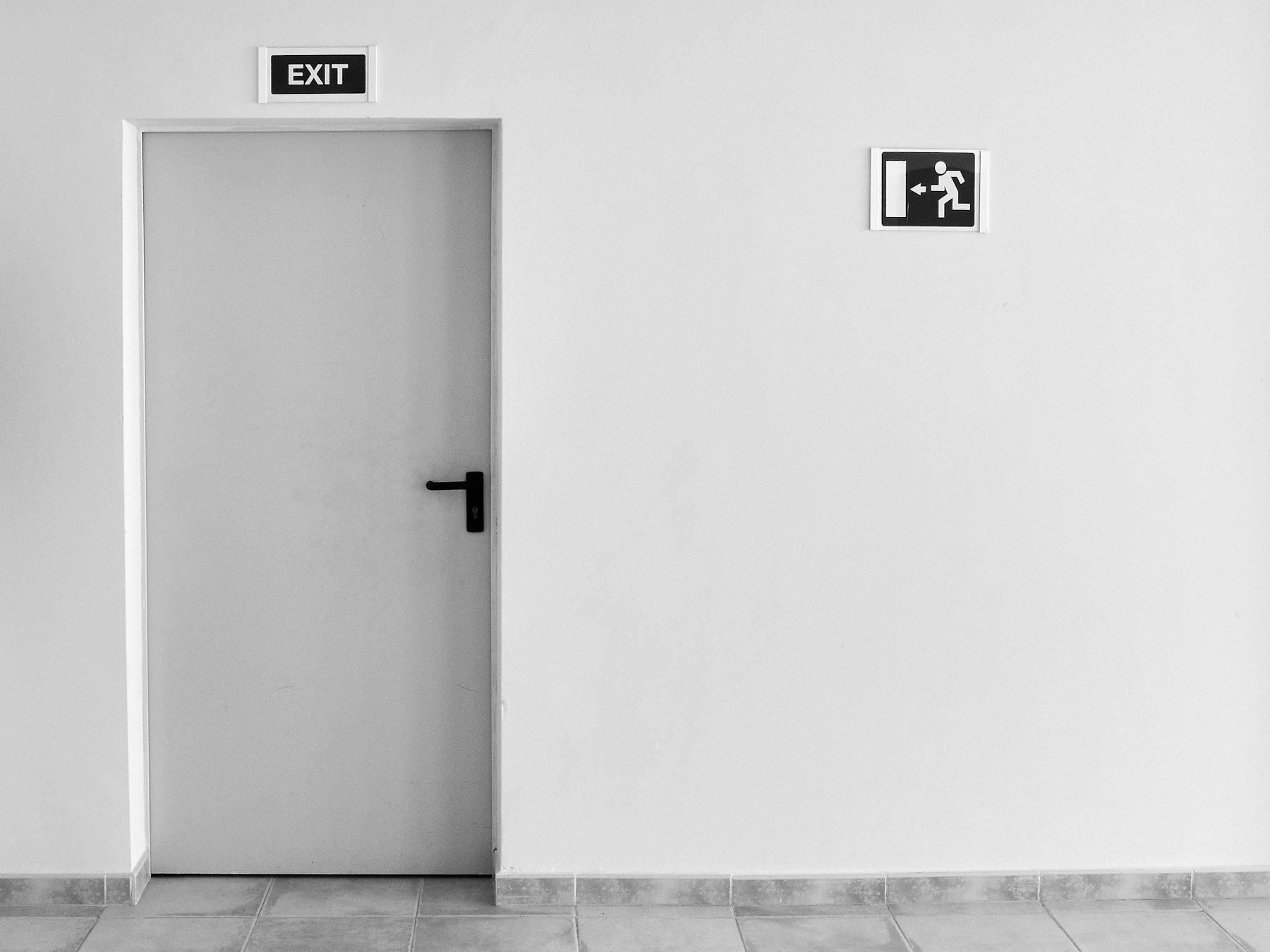
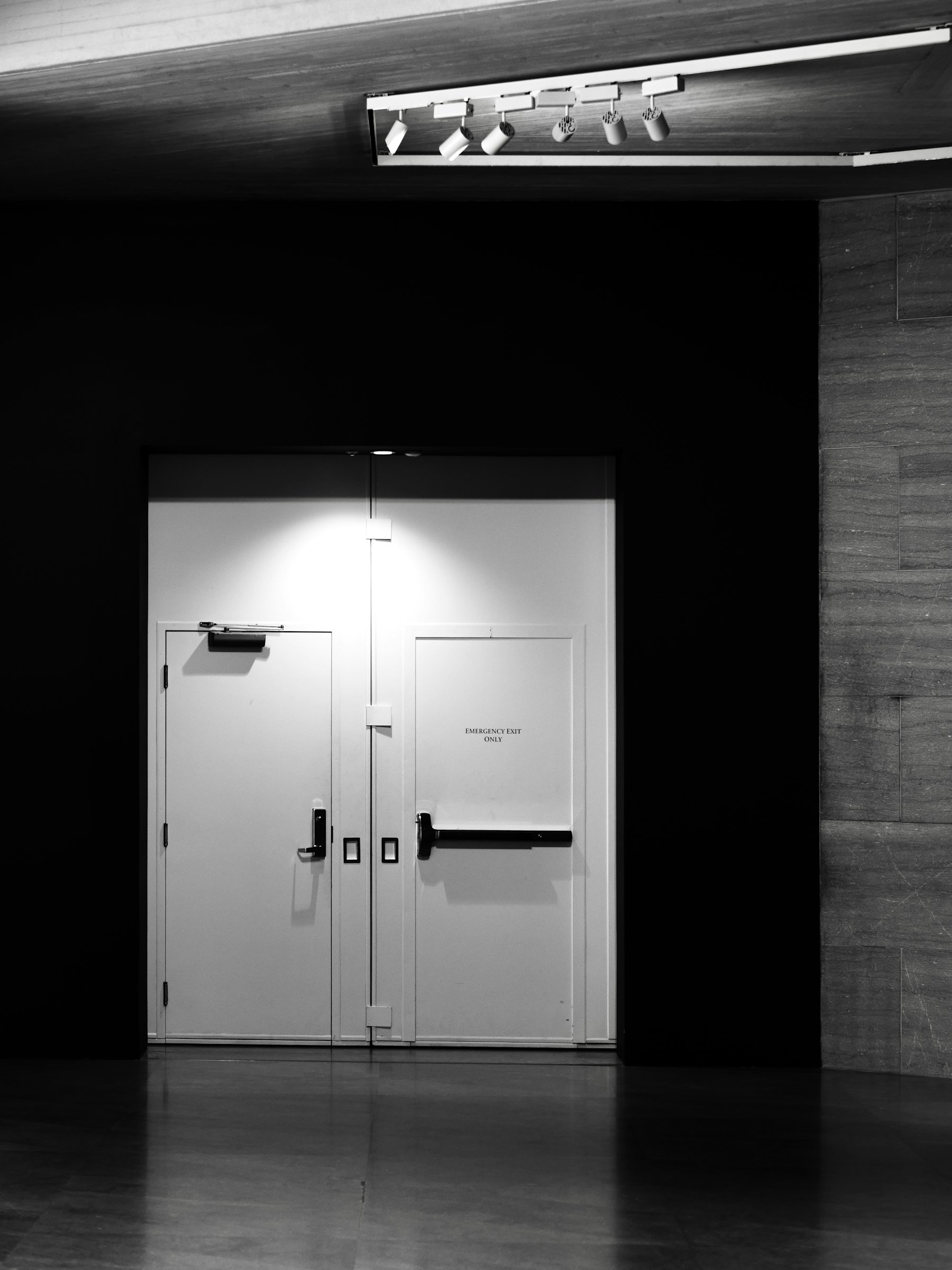
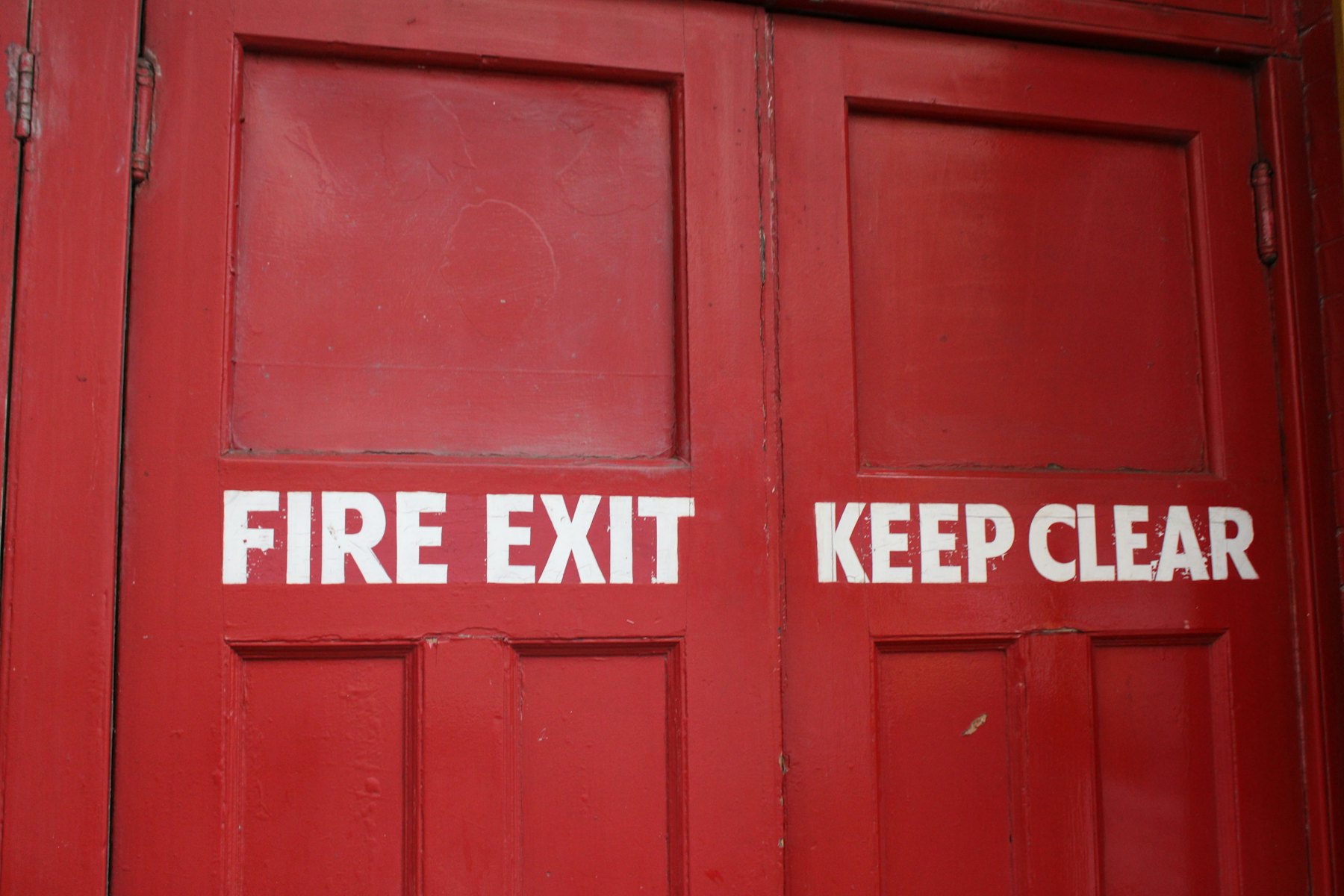
From first call to the paperwork.
Scope
Number of doors, floors and access agreed up front.
Inspect
Every door checked against the same list.
Record
A photo, measurements and notes for each door.
Schedule
Passes, fails and the fix for each, in one list.
Repeat
Quarterly or yearly visits booked in if you need them.
- 1Head gap over 4mm
- 2No self closer fitted
- 3No 'Fire door keep shut' sign
- 4Gap at the hinge edge
- 5Threshold gap, no smoke seal
A fire door that will not hold
- What you see
- A door that looks fine but swings open, has daylight round it or no signage.
- What it means
- Gaps let smoke through long before flames. Without a closer the door is only a fire door when someone remembers to shut it.
- What we suggest
- Fit or adjust a closer, add seals and signage, and recheck the gaps once the door has been rehung.
Example mark-up on a stock photo.
Asked about fire door inspections.
Tell us what you have noticed.
A few lines and a photo or two is plenty. Sean will come back to you to talk it through.
Phone and email
Details to follow. Use the form for now.Covering
London, Essex, Kent and Norfolk